
Water is the Hidden Resource in Manufacturing
Industrial manufacturing accounts for a significant portion of global water stress, yet water footprints often remain invisible in traditional sustainability reporting.
As global scarcity increases, the capacity for businesses to measure and mitigate their embodied water performance is becoming a critical regulatory and operational imperative.

What is BluSeal™?
The system provides a credible, third-party verification label for products with low water impacts, helping stimulate demand for sustainable materials and water-efficient innovations. It proves adherence to high standards of:
Responsible water stewardship
Reduced water intensity
Efficient manufacturing practices
Transparent water footprint reporting












Why BluSeal Exists
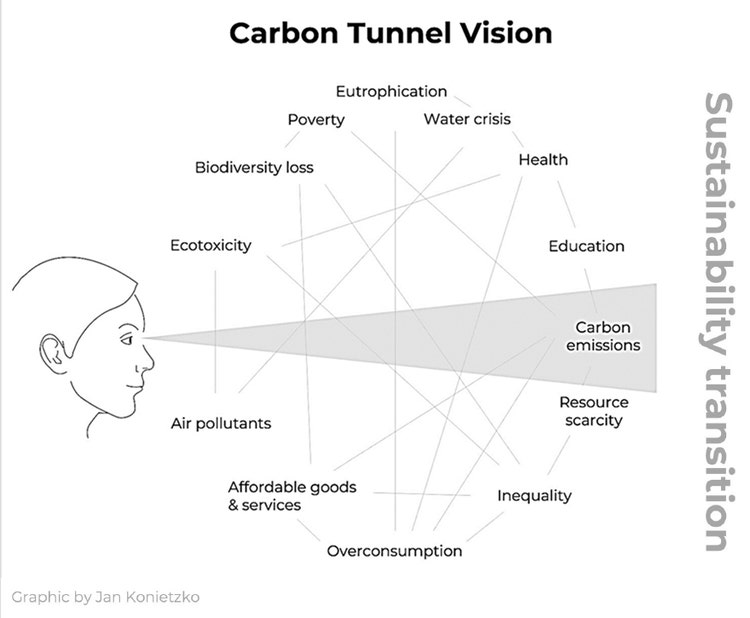
Moving beyond a 'carbon-centric' sustainability world
Improve transparency of product water footprints
Reward water efficiency innovation
Reduce industrial water consumption
Encourage responsible water stewardship in manufacturing
Provide credible third-party verification of water performance
Applicable Industries

Construction Materials

Textiles and Apparel

Food Products

Electronics

Packaging

Consumer Goods
Industrial Manufacturing
How BluSeal Certification Works
Phase 1 - Production Analysis
Phase 2 - Gap Analysis
Phase 3 - Certification
- Water use mapping
- Sourcing evaluation
- Baseline measurement
- Performance benchmarking
- Efficiency mapping
- Reduction strategy design
- Data verification
- Scoring assessment
- Certification issue
BluSeal Assessment Framework

Water Management & Policy
Governance, monitoring and organisational water management.

Water Footprint Accounting
Measurement of product water footprint using recognised methodologies.

Efficient Production & Technology
Manufacturing efficiency and water reduction technologies.

Supply Chain & Materials Impact
Management of upstream water impacts within supply chains.

Water Quality & Pollution Control
Protection of water quality and wastewater management.

Context-Based Water Stewardship
Managing water responsibly in relation to local water scarcity.
Note: Innovation credits recognise exceptional water reduction achievements.
What constitutes Embodied Water?
The total volume of fresh water used to produce a manufactured product is categorised into three types:
Rainwater consumed during raw material cultivation.
Surface and groundwater consumed during production.
Blue Water
Green Water
Water required to dilute pollutants to standard quality.
Grey Water
Independent Verification
The certification process relies on verifiable, auditable data. Applicants must provide evidence across multiple dimensions to ensure scientific rigour and objective assessment.


Water consumption meter readings and utility bills
Supply chain material traceability documentation


Monitoring of wastewater discharge quality
On-site facility audits by independent professionals