Embodied Water & Rising Scarcity
The hidden currents behind every product. Every item we consume - from the clothes we wear to the food we eat - arries a hidden history of water usage that far exceeds its physical volume. Exploring this invisible flow is critical to addressing the growing global water crisis and building a truly sustainable future for our planet.

The Invisible Reality: Understanding Embodied Water
Embodied water - often called 'virtual water' - represents the total volume of freshwater consumed through the production chain of a single item. It traces water use from raw material growth and chemical processing to manufacturing and global transport.


Cotton T-Shirt
2,700 Litres
1kg of Beef
15,400 Litres
Clay Brick
2 Litres
Global Context
The Escalating Reality of Global Water Scarcity
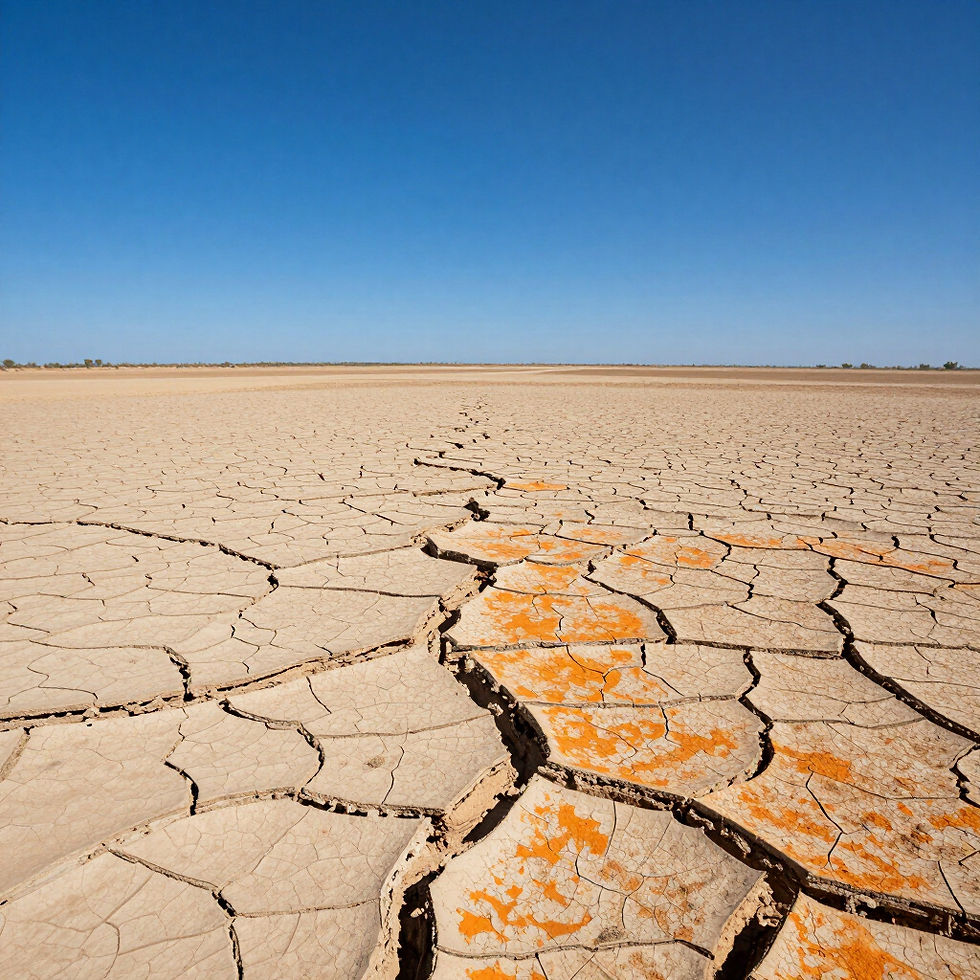
Water scarcity is no longer a localised issue; it is a global crisis affecting over 2 billion people. It occurs when water demand exceeds available supply during a certain period or when poor infrastructure limits access, creating a systemic gap that threatens ecological and social stability.
The crisis is intensifying due to the dual pressures of climate change and a rapidly growing population. Altered precipitation patterns and the depletion of glaciers are reducing reliable freshwater sources, while industry and agriculture consume more to keep pace with global demand.
As scarcity deepens, the 'embodied water' within our supply chains becomes increasingly precarious. Businesses must recognize that the invisible water used to produce their goods is a finite resource under threat, necessitating a shift toward radical efficiency and transparent management.
The Global Impact on Sustainability
The connection between embodied water and global scarcity is a critical pillar of modern sustainability. In our deeply interconnected global economy, the consumption of a product in one region often relies on the depletion of freshwater resources in another, frequently in drought-prone or water-stressed areas. This means that our ecological footprint extends far beyond our local surroundings, requiring a fundamental shift in how we manage resources across entire supply chains to ensure long-term environmental stability.
A 2026 UN report declared the world has entered "global water bankruptcy," a state where water, wetlands, and aquifers are depleted faster than they can replenish, causing irreversible ecosystem damage.
Measure Embodied Water
Identify where water is used across your operations and supply chains by assessing the embodied water within raw materials, manufacturing processes and finished products.
Key Actions for Water Conservation
Reducing our water footprint requires both individual mindfulness and systemic change. Here are actionable steps to mitigate embodied water scarcity.
Improve Water Efficiency
Implement strategies to reduce water use across production processes by improving efficiency, adopting water-saving technologies and integrating circular water systems such as wastewater reuse and closed-loop manufacturing.
Demonstrate Transparency
Disclose and communicate your product water footprint to customers, investors and stakeholders. Transparent reporting builds trust, strengthens sustainability credentials and supports informed decision-making across supply chains.
Recommended Reading
The Water Footprint Network
The global authority on water footprint assessment, providing the methodology used to calculate embedded water across thousands of product categories.
Aqueduct: Water Risk Atlas - WRI
Interactive tool for identifying and evaluating water risks around the world, used by companies to manage scarcity within global supply chains.
UN-Water Strategy & Scarcity Reports
Annual insights into the state of the world’s water resources with a focus on policy frameworks for achieving sustainable development goals.
Scholarly publications investigating the impact of technological innovation on reducing the lifecycle water consumption of manufacturing processes.